Sleep Health · 01 November 2025
Fixing a Disrupted Sleep Schedule
Can't fall asleep at night but somehow feel like a zombie in the morning? A disrupted sleep schedule is one of the most common complaints we hear, and it often sits alongside untreated or newly treated sleep apnoea.
Your body clock is set primarily by light. The single most effective change most people can make is getting 15 to 30 minutes of natural daylight within an hour of waking. It sounds almost too simple, but morning light exposure shifts your circadian rhythm earlier far more reliably than going to bed earlier does.
Keep your wake time fixed — including on weekends. Sleeping in on Saturday feels restorative, but a two-hour shift is the equivalent of flying to Perth and back every week. Anchor the wake time first and the sleep time will follow.
Watch the second half of your day. Caffeine has a half-life of around five hours, so a 3pm coffee is still measurably active at bedtime. Alcohol makes you fall asleep faster but fragments the second half of the night and worsens apnoea events.
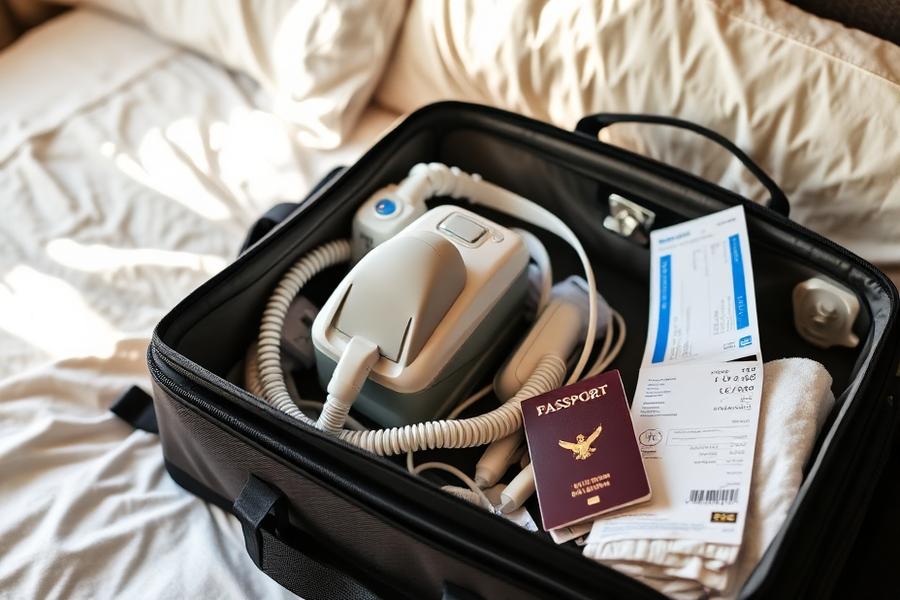
If you are new to CPAP therapy, give yourself a few weeks of consistency before judging the results. Use the device every night, for the whole night — partial use is the single biggest predictor of poor outcomes. If comfort is the barrier, that is usually a mask fit issue, and it is fixable. Book a telehealth consultation and we'll work through it with you.